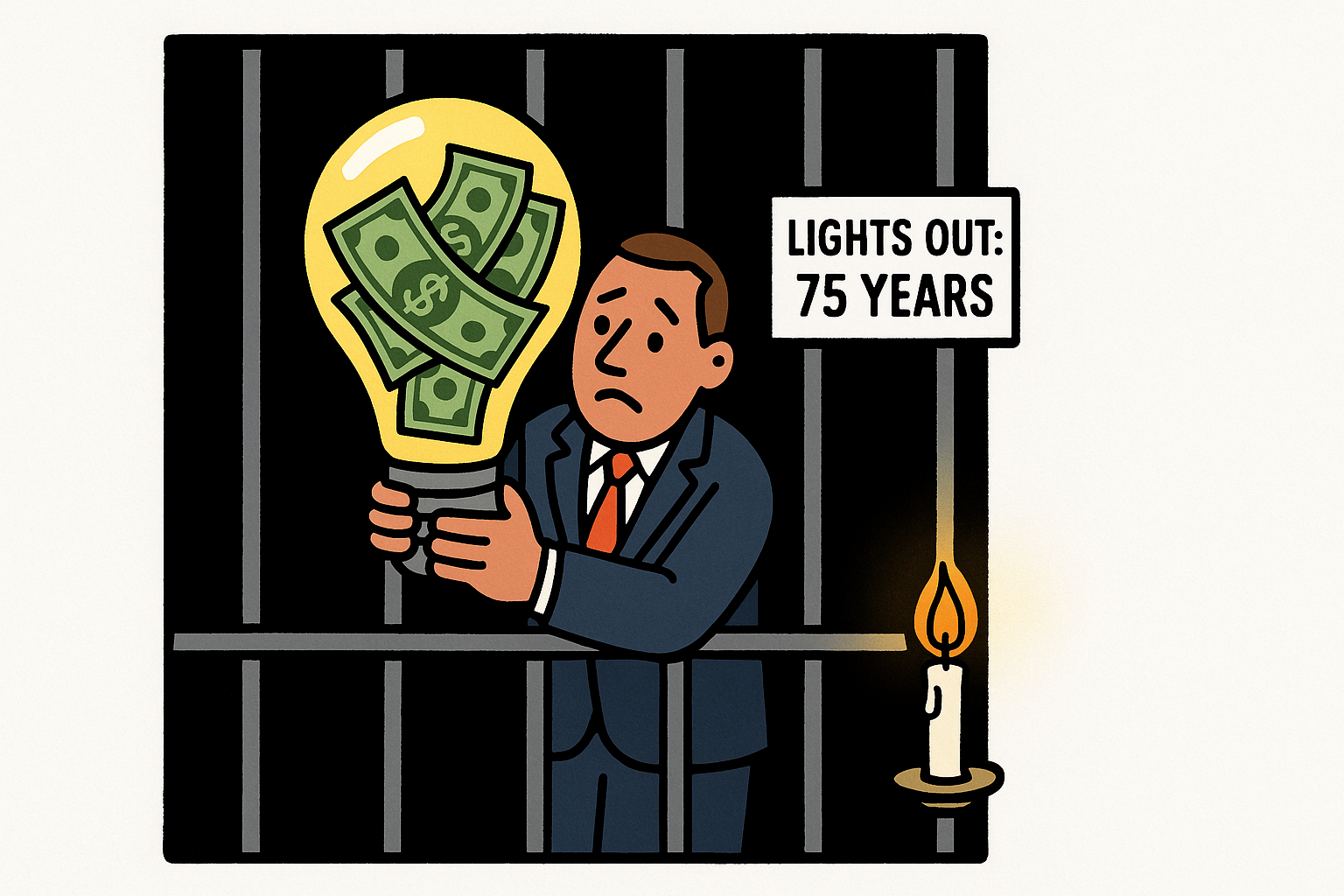
In a country where the lights go out more often than a corrupt official's memory before a tribunal, a Nigerian court handed former power minister Saleh Mamman a 75-year prison sentence for defrauding funds earmarked to fix the nation's catastrophically broken electricity infrastructure. The Economic and Financial Crimes Commission successfully prosecuted the case, marking one of the heftier sentences handed down in Nigeria's long and storied tradition of prosecuting people who stole from the very systems meant to keep the country running — after the country had already stopped running.
The cruel irony writes itself: funds meant to ensure Nigerians could keep their lights on were allegedly redirected into private pockets, while blackouts continued uninterrupted across Africa's most populous nation. The grid remained as dysfunctional as ever, serving as a daily monument to the theft. Mamman, for his part, denied wrongdoing with the full confidence of a man who spent years overseeing a ministry whose primary output was darkness.
Seventy-five years is, admittedly, more years than most humans get to be alive, which legal observers might call 'optimistic sentencing.' Whether it survives appeals in a judicial system that has historically treated such convictions as opening bids rather than final answers remains the more electrifying question.